If you can keep it

If you can keep it

How Democracy Wins

A bad weekend to be an authoritarian

How Serbia and Brazil’s pro-democracy coalitions won surprise election victories

Michael Angeloni's avatar
Tova Love Kaplan's avatar
Michael Angeloni and Tova Love Kaplan
Oct 27, 2026
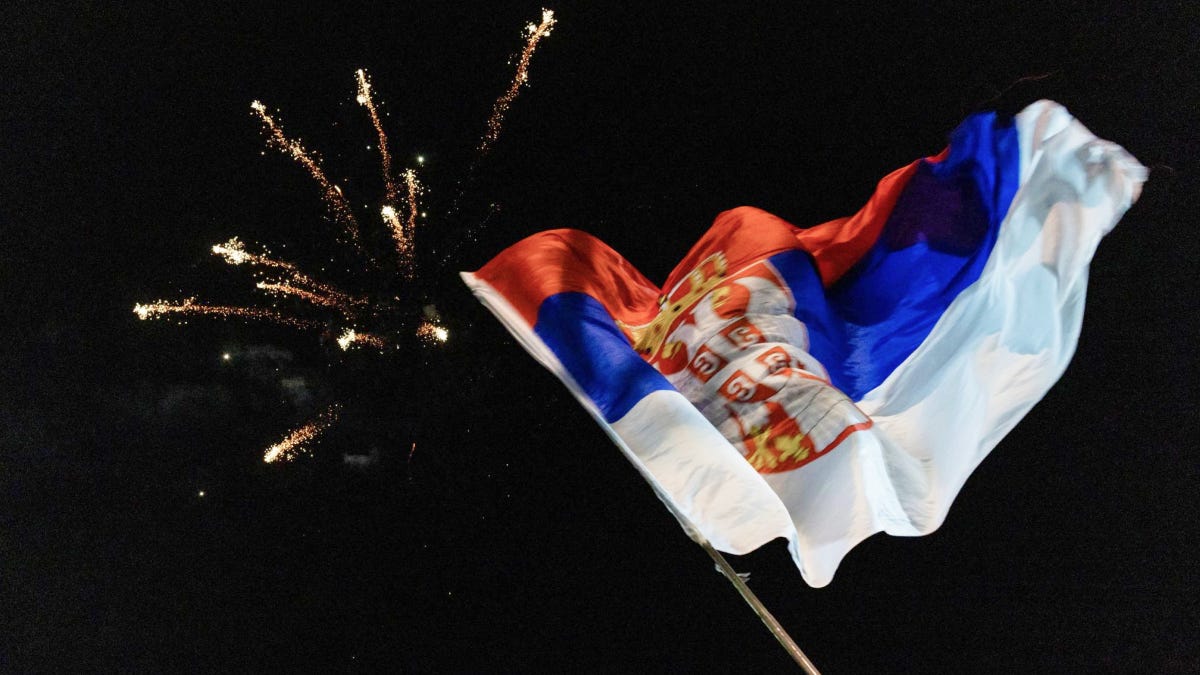
Supporters of electoral list No. 3, “Student List - Students Win,” celebrate the list’s victory in the Serbian parliamentary elections in the city center of Novi Sad, Vojvodina, Serbia, on October 26, 2026, one day after the vote. (Photo by Maxim Konankov/NurPhoto via AP)

Sunday may have been the best day for global democracy in several years. In Brazil and Serbia, pro-democracy coalitions pulled off surprise victories against formidable authoritarian forces.

In Serbia, a scrappy cross-ideological opposition movement made up almost exclusively of first-time candidates — including doctors, scientists, academics, and athletes — beat the odds and scored an absolute parliamentary majority against the longtime, autocratic governing party. The opposition, running under the banner of “Student List-Students Win” (or the “Student List”), won with over 50 percent of the votes cast and the highest recorded voter turnout in decades.

And in Brazil, President Luiz Inácio Lula da Silva won a surprise victory against the far-right candidate Flávio Bolsonaro. Flávio Bolsonaro sought to continue the political legacy of his father, Jair Bolsonaro, a Trump-like figure who purged the civil service, weaponized institutions, and attempted a coup after he lost the 2022 election.

What does it take to make a U-turn from authoritarianism?

What does it take to make a U-turn from authoritarianism?

Jessica Marsden
·
Sep 10
Read full story

Bolsonaro appeared likely to win the presidency after he led the first round of presidential elections earlier this month. Prediction markets held Lula’s odds Sunday at a paltry 21 percent. But instead, Lula won by a considerable margin — over 4 million votes — pulling off the biggest electoral comeback in modern Brazilian history.

So what’s behind these surprise upsets? What can we learn with just over a week before our own high-stakes elections?

Subscribe for free to continue reading

Enter your email and get every post from If you can keep it.
Already have an account? Sign in
Michael Angeloni's avatar
A guest post by
Michael Angeloni
Michael Angeloni is a Research Specialist at Protect Democracy, where he examines democratic backsliding and threats to the rule of law in a global context.
Subscribe to Michael
Tova Love Kaplan's avatar
A guest post by
Tova Love Kaplan
Tova Love Kaplan is an editorial specialist at Protect Democracy, where she translates the organization’s policy, legal, and technical expertise into accessible and actionable communication.
Subscribe to Tova
© 2026 Protect Democracy United · Privacy ∙ Terms ∙ Collection notice
Start your SubstackGet the app
Substack is the home for great culture